
Protein Intake Guide for Men's Fitness
Discover evidence-based insights on protein nutrition, training strategies, and lifestyle optimization for men pursuing fitness excellence.
The information on this site is for educational purposes only and does not constitute medical advice. Always consult a qualified healthcare professional before making health decisions.
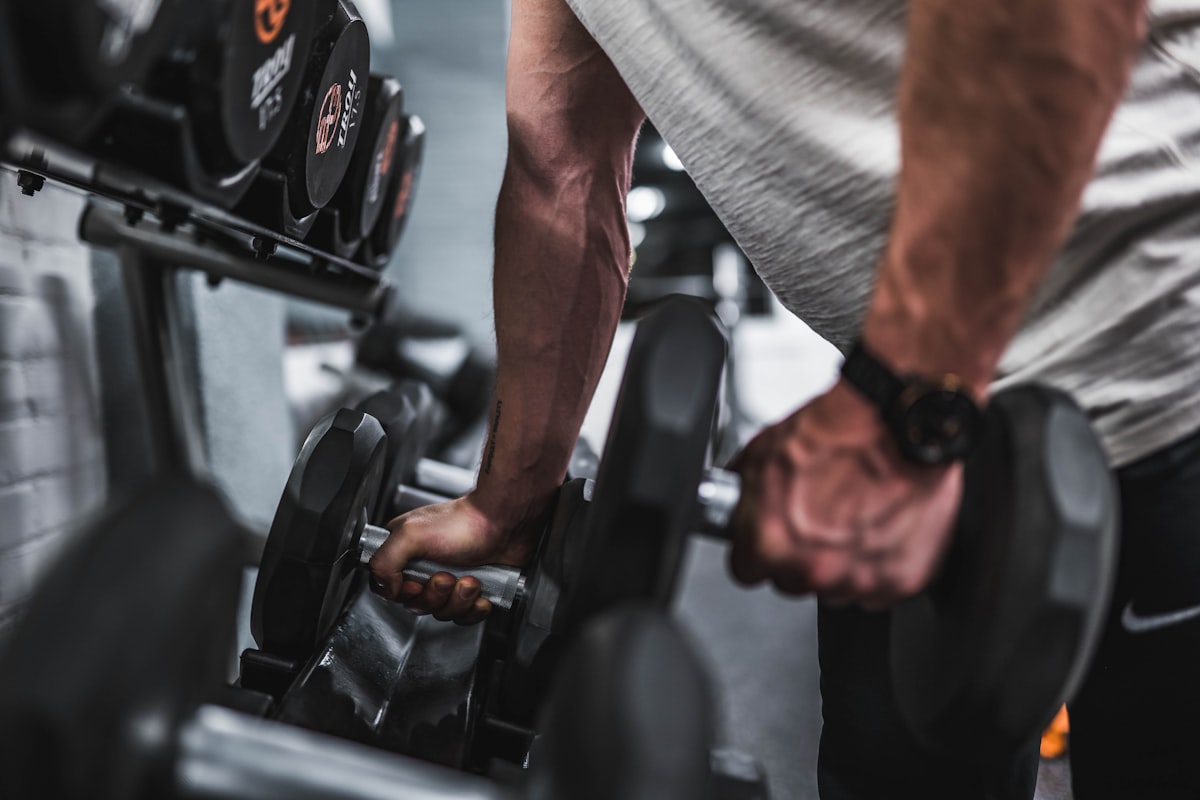
Complete Guide to Protein Sources for Muscle Building
Learn which protein sources deliver the highest bioavailability and amino acid profiles for optimal muscle growth. We explore lean meats, plant-based options, and supplemental sources that fit diverse dietary preferences.

How Much Protein Do You Actually Need Daily?
Debunk the myths surrounding daily protein requirements. This article breaks down recommendations based on body weight, training intensity, and fitness goals, with practical strategies for meeting individual needs.

Protein Timing: When Should You Consume Protein?
Explore the science of nutrient timing and how to strategically distribute protein intake throughout your day. Discover the most effective windows for protein consumption around your training sessions.
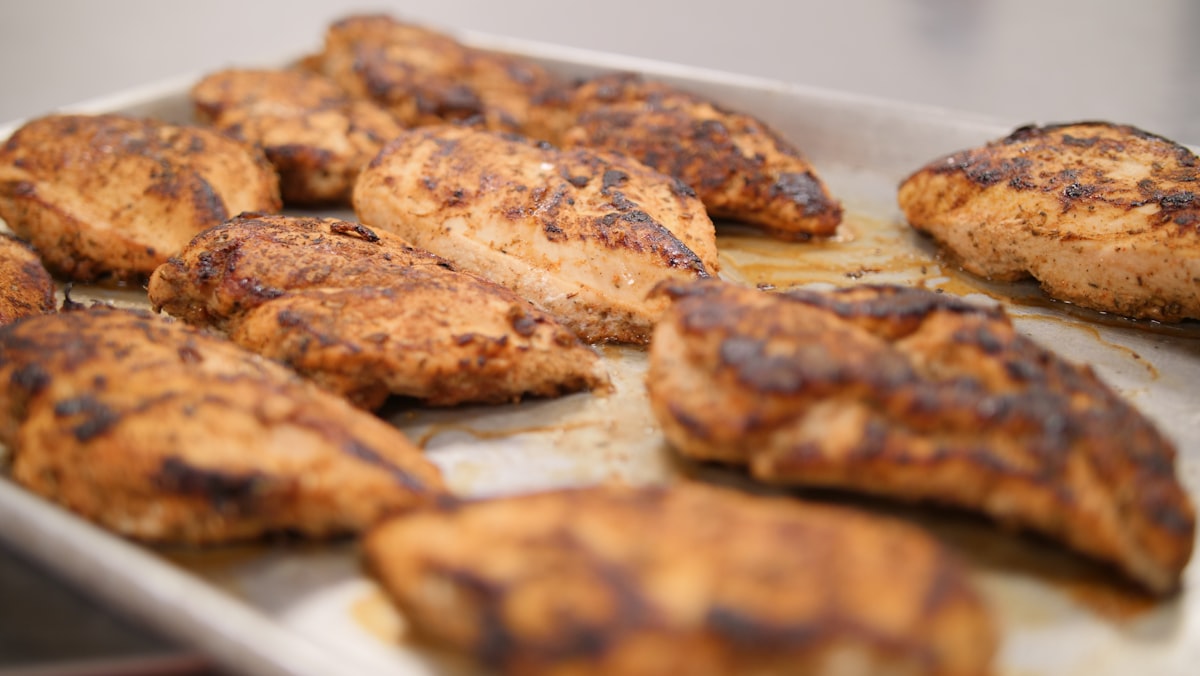
Plant-Based Proteins: Complete Amino Acid Profiles Explained
Understand how to build complete amino acid profiles using plant-based sources. Learn which legumes, grains, and seeds combine effectively to support serious muscle-building goals without animal products.
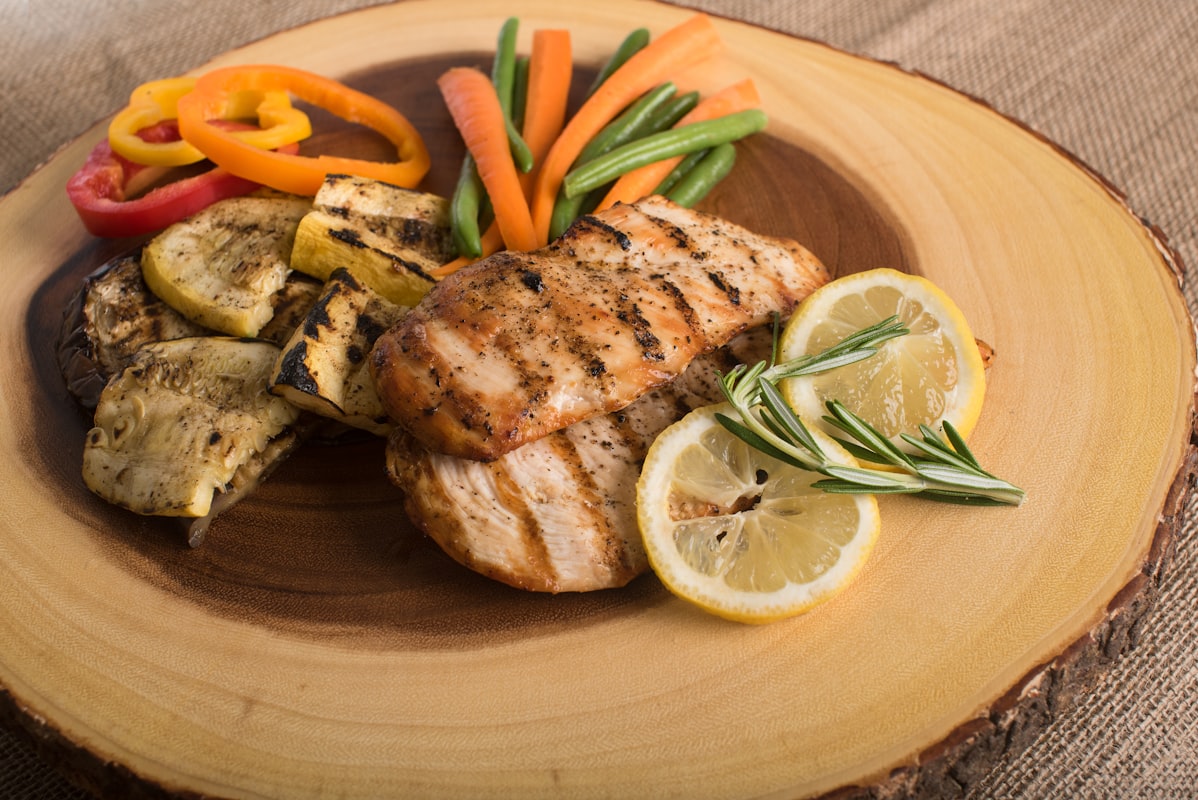
Strength Training and Protein Synthesis: The Connection
Discover how resistance training triggers muscle protein synthesis and why adequate protein intake is essential for maximizing training results. Learn the physiological mechanisms behind muscle growth.
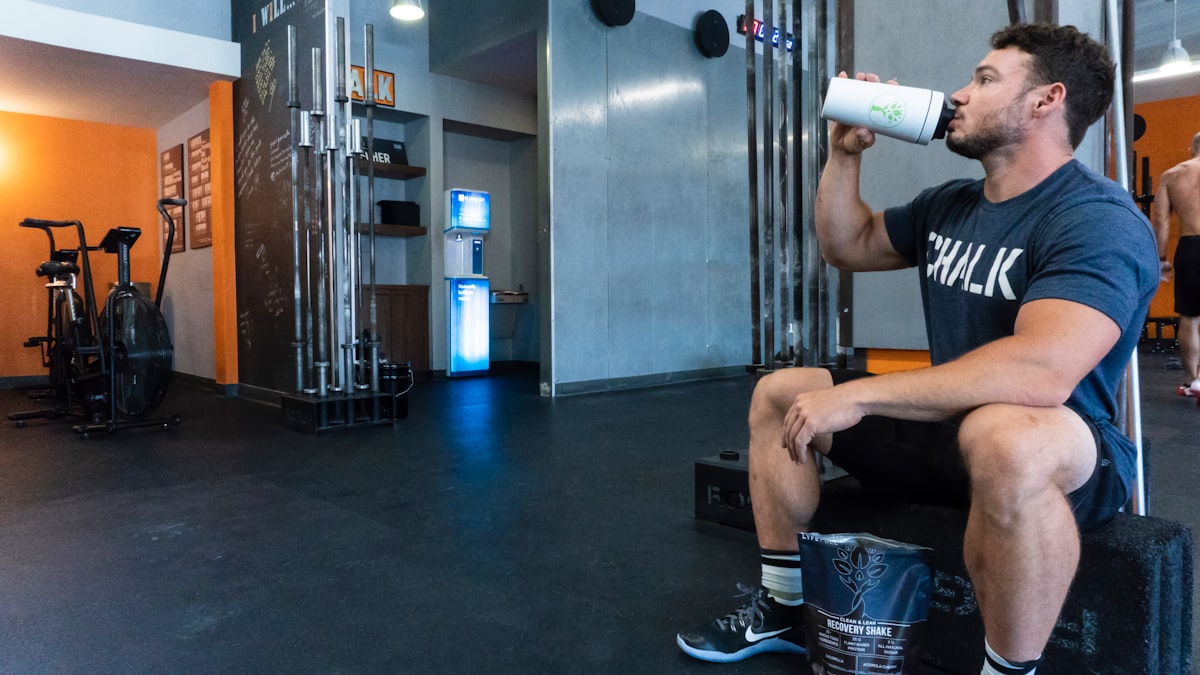
Protein for Fat Loss: Maintaining Muscle During Caloric Deficit
Learn why higher protein intake becomes critical during fat loss phases. This guide explains how protein supports satiety, preserves lean mass, and optimizes metabolic function while reducing body fat.
Featured Resources
Access our most popular tools and comprehensive guides to optimize your protein intake strategy.
Protein Calculator Tool
Personalized daily protein recommendations
Use our interactive calculator to determine your precise daily protein requirements based on body weight, training frequency, and fitness goals.
Access CalculatorProtein Sources Database
Complete nutritional profiles of 100+ foods
Browse our comprehensive database featuring amino acid compositions, bioavailability ratings, and cost-effectiveness comparisons for all major protein sources.
Browse DatabaseFrequently Asked Questions
Q Is more protein always better for muscle growth?
Not necessarily. While adequate protein is essential for muscle protein synthesis, excessive intake beyond individual needs doesn't provide additional benefits. The focus should be on meeting your calculated daily requirements consistently rather than consuming extreme amounts. Most research suggests 0.7-1.0 grams per pound of body weight is optimal for muscle-building goals.
Q Can I build muscle on a plant-based diet?
Yes, absolutely. Many successful athletes follow plant-based diets and achieve significant muscle growth. The key is combining various plant sources to ensure complete amino acid profiles and consuming adequate total protein volume. Strategic supplementation with plant-based protein powders can also help meet daily targets efficiently.
Q How important is protein timing around workouts?
While the "anabolic window" isn't as critical as once believed, consuming protein within a few hours post-workout is still beneficial for muscle protein synthesis. More important is achieving your total daily protein intake. Spreading protein consumption throughout the day in balanced meals and snacks provides a more consistent stimulus for muscle building than obsessing over exact timing.
Q What's the difference between isolate and concentrate protein powders?
Protein isolates undergo additional processing to remove more lactose and carbohydrates, resulting in higher protein percentage per serving and potentially better tolerance for those with sensitivities. Concentrates are less processed and may contain beneficial micronutrients. For muscle building, both are effective—the choice depends on personal preference, digestion, and budget.
Q How does protein intake affect body composition during fat loss?
Higher protein intake during caloric deficits is crucial for preserving lean muscle mass while losing fat. Protein has a higher thermic effect than carbohydrates and fats, meaning more calories are burned during digestion. Additionally, protein promotes satiety, making it easier to maintain a caloric deficit without excessive hunger, which improves adherence to nutrition plans.
Q Are there any risks with consuming high amounts of protein?
For individuals with normal kidney function, high protein diets are well-tolerated and safe. The notion that excess protein damages kidneys has been largely debunked by scientific research. However, maintaining adequate hydration becomes more important with higher protein intake. Those with existing kidney concerns should consult appropriate professionals before significantly increasing protein consumption.
Need more specific answers?
View Complete FAQStay Updated with Latest Content
Get notified when we publish new articles on protein nutrition, training science, and fitness optimization for men.
Explore More Topics
Amino Acids Explained
Deep dive into essential and non-essential amino acids, their roles in muscle building, and how to ensure you're consuming the complete spectrum.
Read article →Hydration and Performance
Understand how proper hydration complements protein nutrition for optimal training performance and nutrient absorption in muscle tissue.
Read article →Sleep and Muscle Growth
Explore the critical relationship between sleep quality, protein metabolism, and muscle recovery for maximizing training results.
Read article →Have Questions About Your Protein Strategy?
Our editorial team is here to help clarify any topics related to protein nutrition and fitness optimization. Send us your questions and feedback.
Contact Our TeamYou can also visit our comprehensive FAQ section for detailed answers.