
Maximize Muscle Growth: The Complete Protein Intake Guide
Discover the science-backed strategies men use to optimize protein consumption for strength, muscle development, and athletic performance. Learn from Nutripowerhouse's comprehensive guide to fueling your fitness journey.
The information on this site is for educational purposes only and does not constitute medical advice. Always consult a qualified healthcare professional before making health decisions.
Protein Science by Numbers
Per Pound of Body Weight
Recommended daily protein intake range for active men seeking muscle growth and strength gains.
Per Meal Optimal
Ideal protein portion per meal to maximize muscle protein synthesis and recovery between workouts.
Essential Amino Acids
Complete proteins contain all nine essential amino acids your body cannot produce independently.
Post-Workout Window
Consume protein within this timeframe after training to accelerate muscle repair and adaptation.

Why Protein Matters for Male Athletes
Protein is the fundamental building block for muscle tissue. When men engage in resistance training or intense athletic activities, microscopic damage occurs in muscle fibers. Adequate protein consumption triggers the repair process, making muscles stronger and larger over time. Without sufficient protein intake, your body cannot efficiently rebuild and adapt, limiting your progress regardless of training intensity.
Supports Lean Muscle Development
Protein provides amino acids that synthesize new muscle tissue, creating the structural foundation for size and strength gains.
Enhances Recovery Speed
Amino acids repair muscle damage incurred during training, reducing soreness and allowing faster return to high-intensity workouts.
Increases Satiety and Energy
Protein-rich meals keep you fuller longer and stabilize blood sugar, supporting consistent energy throughout your day and workouts.
Calculate Your Daily Protein Needs
Follow these simple steps to determine your personalized protein intake target based on your body weight, activity level, and fitness goals.
Determine Your Body Weight
Establish your current body weight in pounds or kilograms. This serves as the baseline for all protein calculations. Weigh yourself in the morning for consistency and accuracy.
Select Your Activity Level
Choose your training intensity: sedentary (0.6–0.7g), moderate (0.8–0.9g), or intense (1.0g+) per pound. This multiplier reflects your workload and recovery demands.
Calculate & Distribute Daily Total
Multiply body weight by your multiplier to get daily grams. Divide evenly across 4–6 meals (20–40g each) to optimize muscle protein synthesis throughout the day.
Top Protein Sources for Men's Fitness
Explore premium protein sources that fuel muscle growth, recovery, and peak athletic performance. Each option provides complete amino acid profiles and bioavailable nutrition.

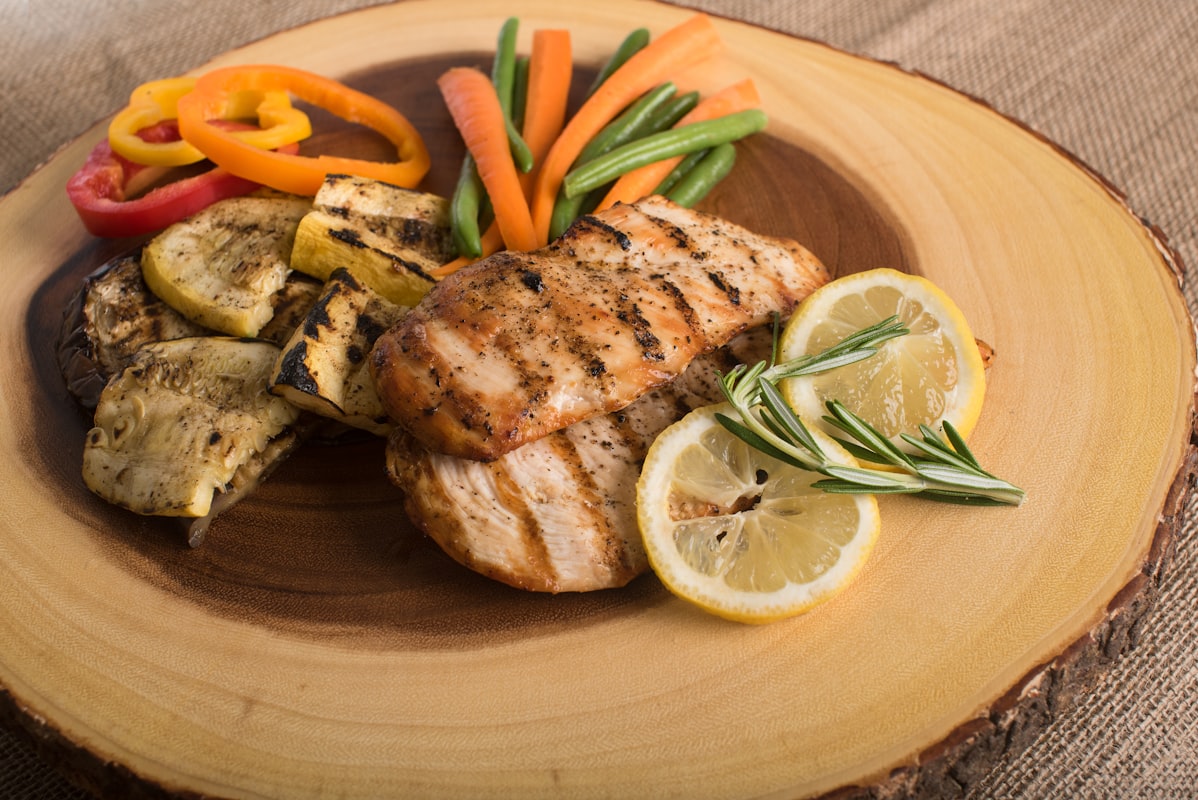
Chicken Breast
Lean, versatile poultry delivering 31g protein per 100g with minimal fat. Ideal for daily meals, easy to prepare, and affordable for consistent intake.
Protein: 31g per 100g serving
Best Use: Grilled, baked, or steamed
Frequency: 3–4 times weekly

Whole Eggs
Complete protein with all nine essential amino acids. One large egg provides 6–7g protein plus choline for brain function and lutein for eye health.
Protein: 6g per large egg
Best Use: Scrambled, boiled, or omelets
Frequency: Daily (3–4 eggs)

Greek Yogurt
High-protein dairy delivering 15–20g per 100g serving. Includes probiotics for digestion and calcium for bone strength. Excellent post-workout snack.
Protein: 15–20g per 100g serving
Best Use: Plain or with berries
Frequency: Daily as snack
Salmon
Fatty fish providing 25g protein per 100g plus omega-3 fatty acids that reduce inflammation and support heart health and joint function.
Protein: 25g per 100g serving
Best Use: Baked or grilled
Frequency: 2–3 times weekly
Lean Beef
Red meat rich in iron, B-vitamins, and creatine. Supports muscle growth and oxygen transport. Choose lean cuts like sirloin for optimal nutrition.
Protein: 26–28g per 100g serving
Best Use: Grilled or braised
Frequency: 2–3 times weekly

Protein Powder
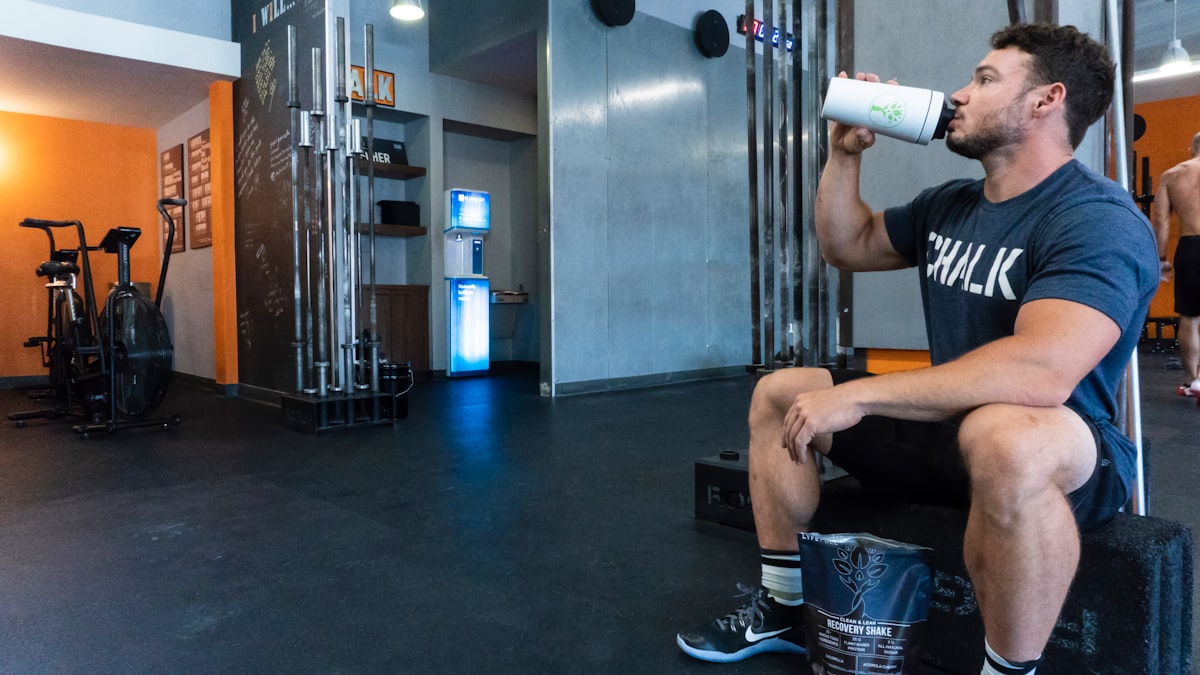
Convenient supplement delivering 20–30g protein per serving. Whey, casein, and plant-based options available. Perfect for post-workout shakes and quick meals.
Protein: 20–30g per scoop
Best Use: Shakes, smoothies
Frequency: 1–2 daily
Common Protein Questions Answered
Q: How much protein should I eat per day as a male athlete?
The general recommendation is 0.7–1.0 grams of protein per pound of body weight daily. For example, a 180-pound man should aim for 126–180 grams daily. Those engaging in intense resistance training or endurance sports benefit from the higher end of this range to support muscle repair and adaptation.
Individual needs vary based on age, training intensity, recovery capacity, and fitness goals. Use our interactive calculator to determine your personalized target based on these factors.
Q: Is it better to get protein from whole foods or supplements?
Whole foods should form the foundation of your protein intake. Chicken, eggs, beef, and fish provide complete amino acids plus vitamins, minerals, and phytonutrients that support overall health. However, protein supplements like whey powder offer convenience for busy schedules and immediate post-workout nutrition.
The optimal approach combines both: derive 70–80% of protein from whole food sources and use supplements strategically for convenience and recovery.
Q: Does eating too much protein damage your kidneys?
For individuals with normal kidney function, consuming high protein (even 2+ grams per kg body weight) does not cause permanent damage. Your kidneys are designed to process protein and filter waste products. Research consistently demonstrates that athletes consuming elevated protein intake maintain normal kidney markers.
However, those with pre-existing kidney disease should consult their healthcare provider about appropriate protein levels.
Q: When is the best time to consume protein for muscle growth?
While the "anabolic window" of 30–60 minutes post-workout remains relevant, distributed protein intake throughout the day is more important than perfect timing. Consuming 20–40 grams of protein every 3–4 hours maximizes muscle protein synthesis. This means consistent meals matter more than racing to drink a shake immediately after training.
Post-workout protein does provide convenience and rapid amino acid delivery, but don't stress about perfect timing if whole meals are consumed regularly.
Q: What are complete vs. incomplete proteins?
Complete proteins contain all nine essential amino acids your body cannot synthesize. These include animal sources (meat, fish, eggs, dairy) and some plant combinations like rice and beans. Incomplete proteins lack one or more essential amino acids and come primarily from plant sources like legumes or nuts alone.
For muscle growth, prioritize complete proteins but complement with varied plant sources for broader micronutrient benefits.
Q: Can I build muscle on a plant-based protein diet?
Yes, plant-based protein sources like legumes, tofu, tempeh, nuts, and seeds can support muscle growth when consumed in adequate quantities. However, plant proteins often contain lower leucine content and require higher total intake to achieve equivalent results. Strategic combination of multiple sources ensures complete amino acid profiles.
Plant-based athletes should track protein intake carefully and consider supplementing with plant-based protein powders to meet high daily targets efficiently.
Real Results from Real Men
Discover how men across Indonesia and beyond have transformed their fitness using Nutripowerhouse's protein intake strategies and consistent training.
"Following Nutripowerhouse's protein guide, I increased my daily intake to 1 gram per pound and noticed dramatic changes within 8 weeks. My strength shot up, recovery improved significantly, and I finally broke through a 3-year plateau. The detailed breakdown of protein sources and meal timing made everything click for me."
Rudi Hartono
Jakarta, Indonesia
"I was spinning my wheels at the gym for years without understanding nutrition. Nutripowerhouse explained that my protein was way too low. Now I'm tracking every meal and seeing consistent gains. The calculator was incredibly helpful."
Ahmad Suryanto
Bandung, Indonesia
"As a busy mom, I needed something simple and science-backed. Nutripowerhouse gave me personalized recommendations without the guesswork. My energy levels are through the roof!"
Sarah Mitchell
Toronto, Canada
"I've tried dozens of nutrition apps, but Nutripowerhouse is the first one that actually understands my fitness goals. The macro breakdowns are precise and the support team is responsive."
Marcus Johnson
Austin, Texas
Frequently Asked Questions
Everything you need to know about Nutripowerhouse
Our advanced algorithm analyzes your age, weight, activity level, dietary preferences, and fitness goals. It then uses evidence-based nutritional science to create a customized macro and micronutrient plan tailored specifically to you.
Absolutely! Your plan is designed to be flexible. You can update your goals, activity level, or dietary preferences at any time, and the system will recalculate your nutrition recommendations instantly.
Yes! We support all major dietary preferences including vegan, vegetarian, keto, paleo, Mediterranean, gluten-free, and more. Our food database includes thousands of options to match your lifestyle.
Our intuitive dashboard lets you log meals with our barcode scanner or food search. Real-time tracking shows you your progress toward daily macros and micronutrients with visual progress bars.
We offer a 30-day money-back guarantee if you're not completely satisfied with Nutripowerhouse. No questions asked — we're confident you'll love the platform.
Ready to Transform Your Nutrition?
Join thousands of people who've already taken control of their health with Nutripowerhouse.
No credit card required • 7-day free trial • Cancel anytime